Introduction
Many people ask, “Why donate blood?” Blood donation is a simple act that can save lives. Every day, hospitals need blood for surgeries, accidents, and illnesses. However, there is often a shortage. By donating blood, you help your community and support those in need. In this blog, we will explain the benefits of blood donation, who can donate, the blood donation process, and more.
Benefits of Donating Blood
Donating blood offers many rewards. Not only do you help others, but you may also benefit yourself. Here are some key benefits:
Health Benefits: Some studies suggest regular blood donation may lower iron levels, which can reduce certain health risks. You also get a free health check before you donate.
Community Impact: Your donation can save up to three lives, according to the American Red Cross. Local hospitals rely on donors like you.
Emotional Rewards: Many donors feel proud and happy knowing they made a difference. Helping others can boost your mood and sense of purpose.
Who Can Donate?
Not everyone can donate blood, but many people are eligible. Here are common criteria:
Most donors must be at least 17 years old (16 with parental consent in some areas).
You should weigh at least 110 pounds (50 kg).
You must be in good health on the day of donation.
Some medical conditions or recent travel may prevent you from donating.
Certain medications or recent tattoos may also be restrictions.
For more details, check with your local blood bank or visit the CDC or WHO websites.
The Blood Donation Process
Many people wonder about the blood donation process. Here is what you can expect:
Registration: First, you sign in and show identification.
Health Screening: Next, a staff member checks your blood pressure, pulse, and hemoglobin. They will also ask about your health and travel history.
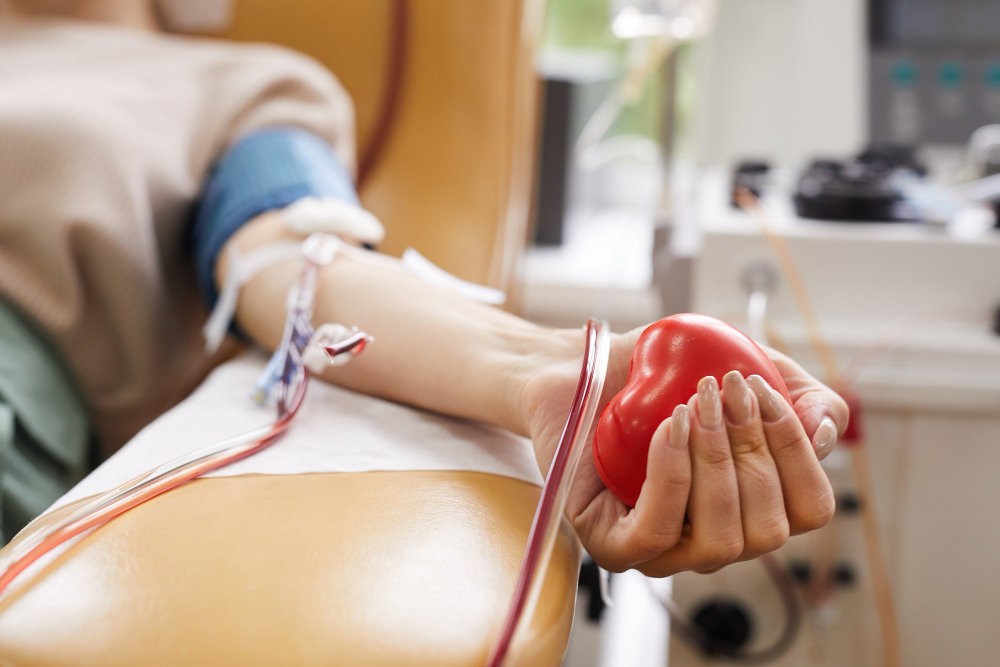
Donation: Then, you sit in a comfortable chair. A sterile needle is used to draw blood, usually from your arm. The process takes about 8-10 minutes.
Rest and Refreshments: After donating, you rest for a few minutes and enjoy a snack and drink.
Aftercare: Finally, you can return to your day. Most people feel fine, but it is wise to avoid heavy exercise for a few hours.
Myths and Facts
There are many myths about blood donation. Let’s clear up some common ones:
Myth: Donating blood is painful.
Fact: You may feel a quick pinch, but most people say it is not painful.
Myth: You can catch diseases from donating.
Fact: All needles and equipment are sterile and used only once.
Myth: You cannot donate if you have a tattoo.
Fact: You can donate if your tattoo was done at a licensed facility and has healed (usually after 3-12 months, depending on local rules).
Myth: Blood donation makes you weak.
Fact: Your body replaces the lost blood within a few days. Most people feel normal soon after donating.
How Donated Blood Helps
Donated blood is vital for many reasons. For example, it helps:
Accident victims who lose blood quickly
Patients having surgery
People with cancer or blood disorders
Women with pregnancy complications
According to the WHO, one blood donation can save up to three lives. Because blood cannot be made in a lab, donations are the only source.
Tips for First-Time Donors
If you are new to blood donation, these tips can help:
Eat a healthy meal before donating.
Drink plenty of water before and after your donation.
Bring a photo ID and a list of any medications.
Wear a shirt with sleeves that can be rolled up.
Relax and take deep breaths if you feel nervous.
After donating, rest for a few minutes and enjoy a snack. If you feel dizzy, sit or lie down until you feel better.
Safety and Precautions
Blood donation is very safe. Blood banks follow strict rules to protect donors and patients. For example:
All equipment is sterile and used only once.
Staff check your health before you donate.
Donors are monitored during and after the process.
Blood is tested for infections before it is given to patients.
If you have questions about safety, ask the staff at your local blood bank. They are happy to help.
Conclusion and Call-to-Action
In summary, donating blood is a safe and generous act. It helps save lives and supports your community. If you are healthy and meet the guidelines, consider donating. Every donation counts. Consult St.Theresa Hospital Blood Bank for personalized guidance on blood donation.