
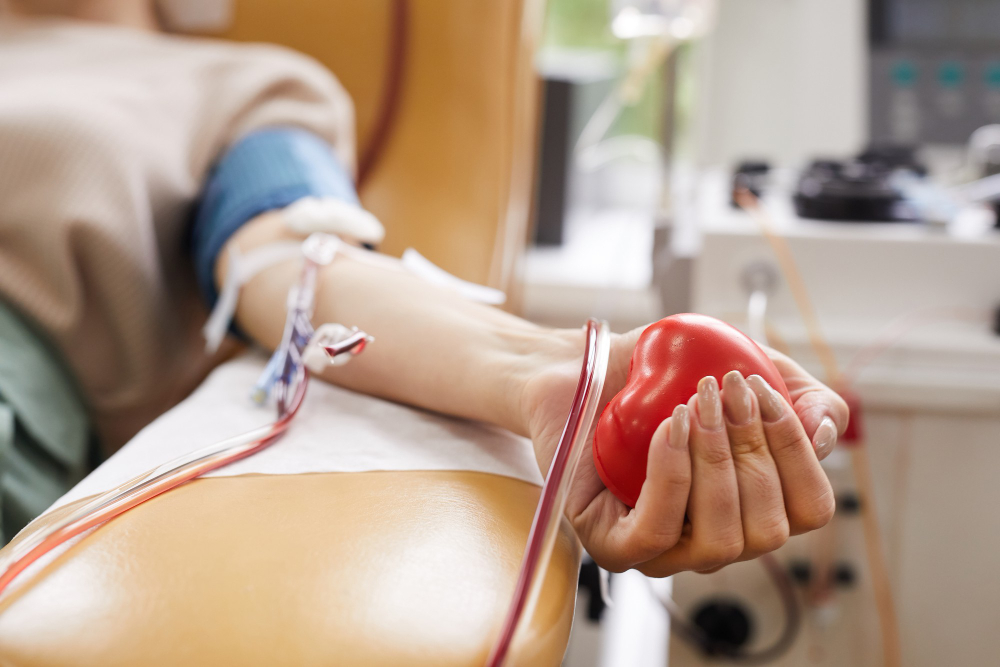
Who Can Donate Blood? Eligibility, Requirements, and Guidelines

Introduction

Blood donation is a simple act that saves lives. Every day, hospitals need blood for surgeries, accidents, and illnesses. But who can donate blood? Not everyone is eligible. Knowing the rules helps keep both donors and patients safe. According to the World Health Organization (WHO), safe blood saves millions of lives each year. Because of this, blood donation is one of the most important ways to help your community.

Eligibility Criteria

Before you donate, you must meet certain requirements for blood donors. These rules protect both you and the person receiving your blood. Let’s look at the main criteria:

  • Age: Most blood banks accept donors between 17 and 65 years old. Some places may allow 16-year-olds with parental consent.
  • Weight: You should weigh at least 110 pounds (50 kg). This helps ensure your safety during donation.
  • Health Status: You must feel healthy and well on the day of donation. In addition, you should not have a fever or infection.
  • Lifestyle Factors: You should not have risky behaviors, such as sharing needles or unsafe sex practices. Also, you should not be under the influence of drugs or alcohol.
  • However, some rules may vary by country or blood bank. Therefore, always check with your local center for the latest guidelines.

    Common Reasons for Ineligibility

    Sometimes, people cannot donate blood. There are several reasons for this. For example, certain medical conditions or recent travel may make you ineligible. Here are some common reasons:

  • Medical Conditions: You cannot donate if you have HIV, hepatitis, or some cancers. Chronic illnesses like heart disease may also prevent donation.
  • Recent Travel: If you have traveled to areas with malaria or other infections, you may need to wait before donating.
  • Medications: Some medicines, like blood thinners or antibiotics, may make you ineligible for a short time.
  • Recent Procedures: If you had surgery, a tattoo, or a piercing in the last few months, you may need to wait.
  • Even if you are unsure, you can always ask your blood bank for advice. They will guide you based on your health and history.

    Preparation and What to Expect

    Donating blood is safe and easy. Still, it helps to be prepared. Here’s what you should do before, during, and after donation:

    Before Donation

  • Eat a healthy meal and drink plenty of water.
  • Avoid fatty foods, as they can affect blood tests.
  • Bring a photo ID and a list of any medicines you take.
  • During Donation

  • You will answer a few health questions and get a quick check-up.
  • The staff will clean your arm and use a new, sterile needle.
  • The process usually takes about 10 minutes.
  • After Donation

  • Rest for a few minutes and have a snack or drink.
  • Avoid heavy exercise for the rest of the day.
  • If you feel dizzy, sit or lie down until you feel better.
  • Most people feel fine after donating. However, if you have any concerns, contact your blood bank or doctor.

    Benefits of Blood Donation

    Blood donation helps others, but it can also benefit you. For instance, donating blood may:

  • Reduce iron levels, which can lower the risk of certain health problems.
  • Give you a free health check-up before donation.
  • Boost your sense of well-being by helping others.
  • Above all, your donation can save up to three lives. That is a powerful reason to give.

    Frequently Asked Questions

  • How often can I donate blood? Most people can donate every 8 weeks. However, rules may vary by country.
  • Can I donate if I have a cold? No, you should wait until you feel well.
  • Is blood donation safe? Yes, all equipment is sterile and used only once.
  • Will I feel weak after donating? Most people feel fine. Still, drink fluids and rest if needed.
  • Can I donate if I have a tattoo? You may need to wait 3-12 months, depending on local rules.
  • Conclusion:

    Blood donation is a simple act that can make a life-saving difference for patients in need.

    Understanding eligibility criteria helps ensure safe and effective donations.

    Every eligible donor can contribute towards building a stronger blood supply.

    Be a part of this life-saving mission with St. Theresa Hospital Blood Bank.

    Your one donation can help save multiple lives. Contact St. Theresa Hospital Blood Bank to donate today.

    Enroll For Blood Camp