
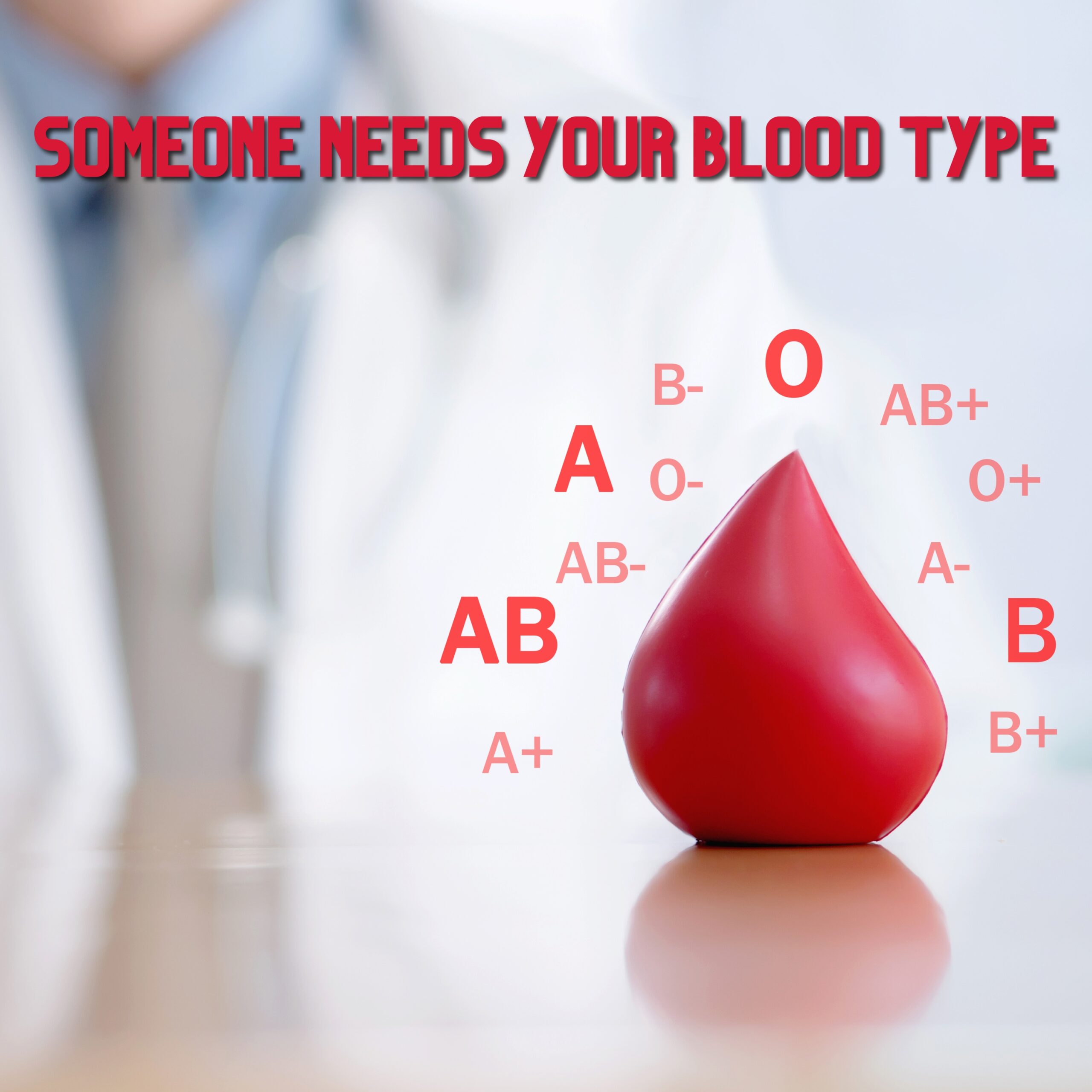
Have you ever wondered, “What if the blood you need isn’t available?” This is a real concern for many people. Sometimes, hospitals face blood shortages. These shortages can happen for many reasons. When blood is not available, it can put lives at risk. In this blog, we will explain why blood may not be available, the risks, and what you can do to help.
Why Blood May Not Be Available
Blood is a vital resource in healthcare. However, there are times when the needed blood is not on hand. Several factors can cause this problem. For example, some people have rare blood types. It can be hard to find a match for them. In addition, not enough people donate blood regularly. This leads to shortages, especially during emergencies.
Because of these reasons, hospitals may not always have the blood you need.
Risks and Consequences of Blood Shortages
Blood shortages can affect many types of care. For instance, surgeries may be delayed or canceled. Trauma care for accident victims can become risky. People with chronic conditions, like sickle cell disease, may not get the blood they need. As a result, patient outcomes can worsen.
Therefore, having enough blood is crucial for safe and timely care.
What Happens If Blood Isn’t Available?
When blood is not available, doctors must act fast. First, they look for other sources, such as nearby hospitals. If that fails, they may use medical alternatives. For example, they might use fluids to keep blood pressure stable. Sometimes, medicines can help the body use oxygen better. However, these are not perfect solutions.
Because of the risks, healthcare teams work hard to find blood quickly. They may also ask family or friends to donate. Still, the best care happens when blood is ready and waiting.
Solutions and Prevention
Thankfully, there are ways to prevent blood shortages. Blood banks play a key role. They store and manage blood supplies. Donation drives help collect more blood, especially during high-need times. Community awareness is also important. When more people know about the need, more people donate.
You can help by:
By taking these steps, you help ensure blood is available for everyone.
Frequently Asked Questions
Who can donate blood?
Most healthy adults can donate. However, there are age, weight, and health requirements. Always check with your local blood bank for details.
Is blood donation safe?
Yes, donating blood is safe. All equipment is sterile and used only once. After donating, you may feel tired, but most people recover quickly.
How often can I donate?
Usually, you can donate whole blood every 8 weeks. Some types of donation, like platelets, may be done more often.
What if I have a rare blood type?
If you have a rare type, your donation is very valuable. Blood banks may contact you when your type is needed.
In an emergency, every second counts, don’t wait for a shortage.
Support life-saving care by donating at St. Theresa Hospital Blood Bank.
Step forward today, your blood can save lives.