Introduction
During emergencies, every second counts. The lifesaving role of blood donation in emergencies cannot be overstated. When disasters or accidents happen, donated blood helps save lives. Hospitals rely on blood donors to treat patients quickly. Without enough blood, doctors cannot perform life-saving procedures. Therefore, your donation can make a real difference when it matters most.
What Is Blood Donation?
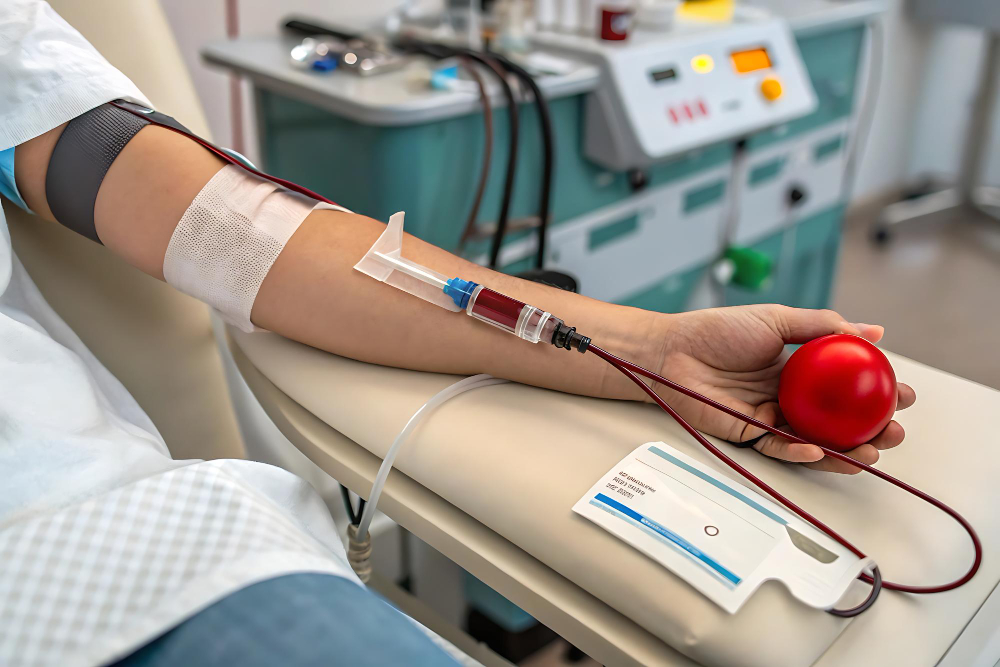
Blood donation is a simple act where a person gives some of their blood to help others. Most people donate about one pint at a time. After donation, the blood is tested and stored safely. Later, it is given to patients who need it. For example, people who lose blood in accidents or during surgery often need donated blood. Blood donation is safe, quick, and helps save lives.
Why Blood Donation Is Vital in Emergencies
Emergencies can happen at any time. When they do, hospitals need blood right away. Blood cannot be made in a lab. It only comes from healthy donors. In emergencies, such as accidents or natural disasters, the demand for blood rises fast. Because of this, having a steady supply of donated blood is crucial. Emergency blood donation benefits everyone in the community. It ensures that doctors can act quickly and save more lives.
Common Emergency Situations Requiring Blood
Many emergencies require blood donations. Some of the most common include:
In each case, quick access to blood can mean the difference between life and death.
How Blood Donation Saves Lives: Real-World Examples
Every year, millions of lives are saved thanks to blood donors. For instance, after a major accident, a patient may need several units of blood. In another case, a child with a blood disorder may need regular transfusions. According to the World Health Organization, one blood donation can save up to three lives. Because of donors, hospitals can respond quickly during emergencies. These real-world examples show how blood donation saves lives every day.
Who Can Donate Blood? Eligibility and Safety
Not everyone can donate blood, but many people are eligible. To donate, you usually must:
Some health conditions or medicines may prevent you from donating. However, blood centers check your health before you donate. They use clean, single-use needles for every donor. This keeps the process safe for everyone. If you have questions, ask your local blood center for advice.
How to Prepare for Blood Donation
Preparing for blood donation is easy. Here are some tips to help you get ready:
After donating, rest for a few minutes and have a snack. Most people feel fine, but it’s best to avoid heavy exercise for the rest of the day.
How to Find Blood Donation Centers Near You
Finding a blood donation center is simple. You can:
Many centers also hold mobile blood drives in schools, offices, or community centers. Because of this, you may find a donation event close to home or work.
Tips to Encourage Community Blood Donation
Encouraging others to donate blood helps keep supplies strong. Here are some ways you can help:
When more people donate, everyone benefits. Together, we can save more lives during emergencies.
Frequently Asked Questions about Blood Donation in Emergencies
Conclusion
Blood donation is a simple act with a huge impact. In emergencies, your donation can save lives. If you are healthy and eligible, consider donating blood today. For more information, consult St.Theresa Hospital Blood Bank. Your gift could be the difference someone needs in a crisis.