Introduction
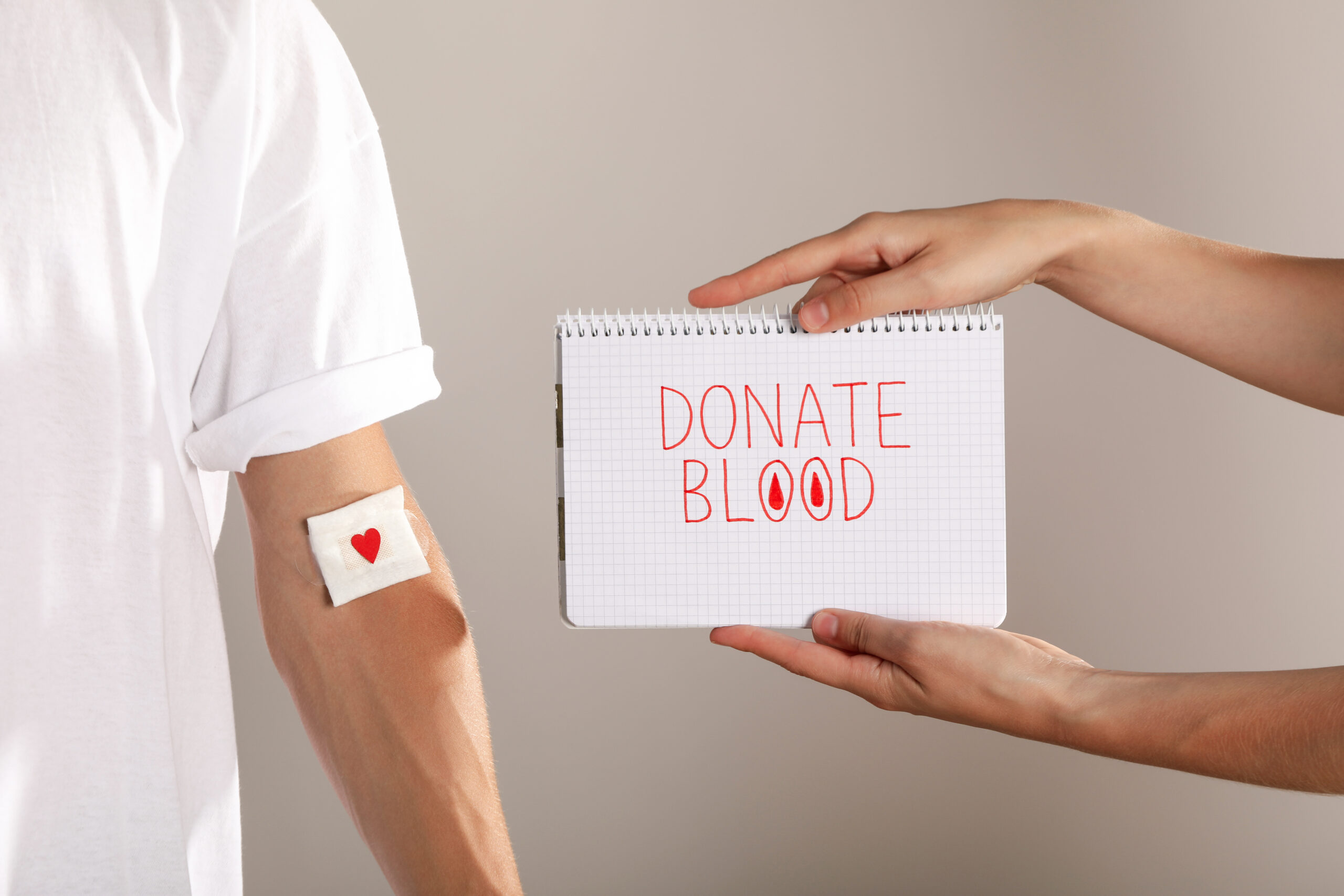
Blood donation saves lives every day. Yet, many people hesitate because of blood donation myths. These myths can cause fear and confusion. For this reason, it is important to know the facts. Understanding the truth helps more people donate safely and confidently.
Common Blood Donation Myths
Facts vs. Myths
Myth 1: Donating blood is painful and unsafe
In reality, most people feel only a quick pinch when the needle goes in. After that, there is little to no pain. Blood donation is very safe. All equipment is new and sterile for each donor. Therefore, you cannot catch diseases from donating blood.
Myth 2: You cannot donate if you have certain health conditions
Some health conditions may prevent donation, but many people with common illnesses can still donate. For example, having high blood pressure or diabetes does not always mean you cannot donate. However, you should always check with your local blood donation center or doctor.
Myth 3: Blood donation makes you weak or sick
After donating, your body quickly replaces the lost blood. Most people feel normal soon after. Drinking water and eating a snack helps you recover faster. As a result, blood donation does not make you weak or sick.
Myth 4: Older adults should not donate blood
Age alone does not stop you from donating. Many centers allow healthy adults over 65 to donate. As long as you meet health requirements, you can donate at almost any age.
Myth 5: Vegetarians and vegans cannot donate blood
Vegetarians and vegans can donate blood if they are healthy and have enough iron. Eating iron-rich foods before donating helps. For this reason, diet does not usually prevent donation.
Myth 6: You can catch diseases from donating blood
All needles and bags are used only once and then thrown away. This process keeps donors safe. So, you cannot get HIV, hepatitis, or other diseases from donating blood.
Myth 7: There is always enough blood in hospitals
Blood supplies often run low, especially during emergencies. Every donation helps save lives. Even if you think there is enough, your donation is still needed.
Benefits of Blood Donation
Donating blood helps patients in need. It can save lives after accidents, surgeries, or during cancer treatment. In addition, regular donors may get a free health check before donating. Some studies suggest that donating blood may lower iron levels, which can be healthy for some people. However, the main benefit is helping others.
How to Prepare for Blood Donation
After donating, sit and rest for a few minutes. Enjoy a snack and drink more fluids. If you feel dizzy, tell the staff right away.
Frequently Asked Questions
Conclusion and Call-to-Action
Blood donation myths can prevent people from saving lives, but now that you know the facts, you can make a difference. If you have questions, consult St. Theresa Hospital Blood Bank for personalized guidance. Your donation can save lives—consider donating today!