Introduction: The Importance of Blood Donation
Blood donation saves lives every day. Many people need blood after accidents, surgeries, or illnesses. The benefits of blood donation go beyond helping others. In fact, donating blood can also improve your own health. Because blood cannot be made in a lab, donors are always needed. When you give blood, you make a real difference in your community.
Health Benefits for Blood Donors
Many people ask about the health benefits of donating blood. While helping others is the main reason, donors can also gain health perks. For example, regular blood donation may help lower iron levels in your body. High iron can sometimes harm your heart. In addition, giving blood can boost your sense of well-being. Some studies suggest it may even lower your risk of certain diseases. However, always talk to your doctor before donating if you have health concerns.
How Blood Donation Helps Recipients and the Community
Every blood donation can save up to three lives. Patients with cancer, anemia, or those having surgery often need blood. Sometimes, accident victims need many units of blood quickly. Because of donors, hospitals can treat these patients right away. Also, regular donations help prevent blood shortages in your area. When you donate, you support your neighbors and your whole community.
Common Myths and Facts About Blood Donation
There are many blood donation myths. Let’s clear up some facts:
Who Can Donate Blood? Basic Eligibility
Not everyone can donate blood. However, most healthy adults can. Here are some basic rules:
Always check with your local blood center for exact rules.
Simple Steps to Prepare for Blood Donation
Preparing for blood donation is easy. To help your body and have a good experience, follow these steps:
Because these steps help, you will likely feel better during and after donation.
Safety and What to Expect During and After Donation
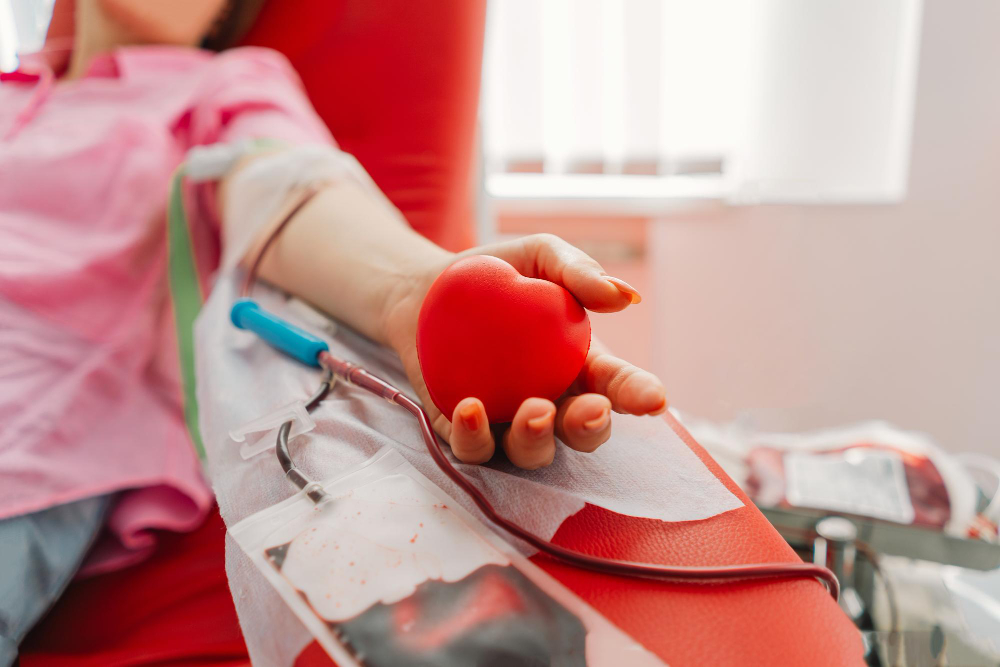
Blood donation is safe. Trained staff use clean, single-use needles. First, you will answer some health questions. Next, a staff member will check your blood pressure and iron level. Then, you will sit or lie down while your blood is collected. The process usually takes less than 10 minutes. Afterward, you will rest and have a snack. Most people feel fine, but you should avoid heavy exercise for a few hours. If you feel dizzy, sit or lie down until you feel better.
How to Find Local Blood Donation Centers
Finding a blood donation center near you is simple. You can search online for “blood donation center near me” or use your city’s name, such as “blood donation centers in New York.” Many hospitals and community centers also host blood drives. In addition, organizations like the American Red Cross and local blood banks have websites with locations and appointment times. Because centers follow strict safety rules, you can donate with confidence.
Tips for First-Time Donors
If you are donating blood for the first time, you may feel nervous. However, these tips can help:
Because staff are trained to help, do not hesitate to ask for assistance.
Prevention of Blood Shortages Through Regular Donation
Blood shortages can happen at any time. However, regular donors help keep supplies steady. If you donate every few months, you help hospitals be ready for emergencies. In addition, your regular donations can inspire others to give. Because every donation counts, your effort truly saves lives.
Conclusion: Take the Next Step
Blood donation is a simple act with big rewards. You help others, support your community, and may even improve your own health. If you want to learn more, visit St.Theresa Hospital Blood Bank to find out how you can help save lives.