
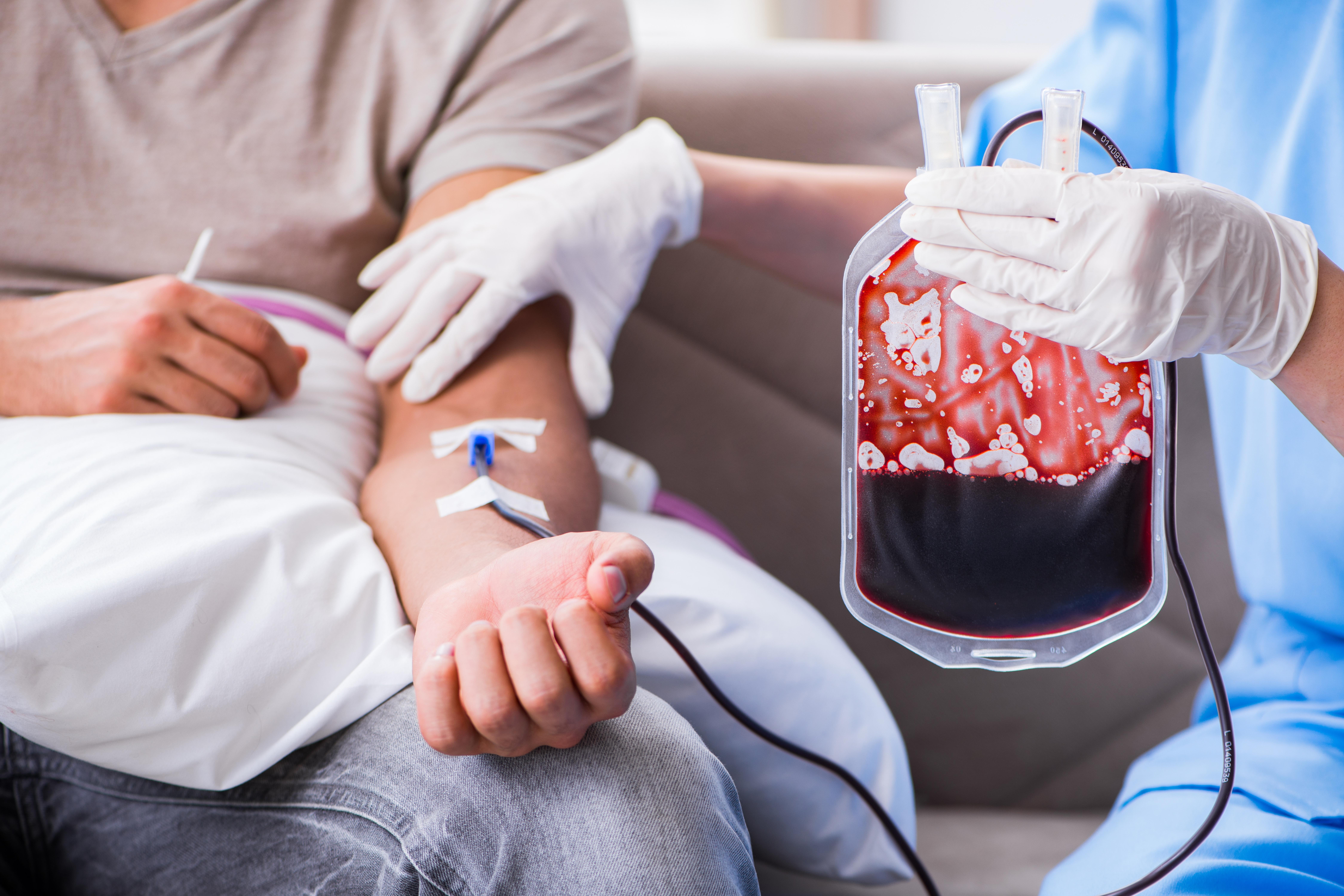
Introduction: Why Blood Can’t Be Artificially Manufactured
Many people wonder if science can make blood in a lab. However, blood can’t be manufactured—only donated. Even with modern technology, we cannot create real blood. This is because blood is complex and unique. For this reason, hospitals rely on generous donors to help save lives every day.
The Science: Blood’s Unique Components and Why They Are Hard to Replicate
Blood is more than just a red liquid. In fact, it has several parts, each with a special job. For example, red blood cells carry oxygen, while white blood cells fight infection. Platelets help stop bleeding, and plasma carries nutrients and hormones. Although scientists have tried, they cannot copy these parts perfectly. Each component must work together in a way only the human body can provide. Because of this, artificial blood is not a real option yet. (Source: WHO)
Why Donation Matters: The Importance of Blood Donation
Every two seconds, someone needs blood. But since blood can’t be manufactured, only donated blood can help. Donor blood is used in emergencies, surgeries, and for people with certain diseases. Without donors, hospitals would not have enough blood to treat patients. Therefore, every donation can make a big difference. In many cases, it can even save a life.
Who Needs Donated Blood?
Many people need donor blood at some point. Some common situations include:
As you can see, donated blood supports people of all ages and backgrounds.
How Blood Donation Works: The Process and Eligibility
Donating blood is safe and simple. Here’s how it usually works:
Most healthy adults can donate. However, you must meet certain requirements, such as:
Some health conditions or recent travel may affect your eligibility. Always check with your local blood bank for details. (Source: CDC)
Myths vs. Facts: Common Misconceptions About Blood Donation
Many people worry about donating blood. However, most fears are based on myths. Let’s clear up some common misunderstandings:
Knowing the facts can help you feel confident about donating.
How to Get Involved: Steps to Become a Blood Donor
Getting started as a blood donor is easy. Here’s what you can do:
Every donation helps. Even if you cannot donate, you can still help by spreading the word or volunteering.
Prevention & Lifestyle: Healthy Habits for Donor Eligibility
To stay eligible as a donor, healthy habits matter. For example, you should:
By taking care of your health, you can help others when they need it most.
Conclusion: Your Role in Saving Lives
In summary, blood can’t be manufactured—only donated. Donor blood is vital for saving lives in many situations. Now that you know the facts, you can make a real difference. Consult your local blood bank or healthcare provider to learn how you can help save lives through blood donation.
Your one donation can save multiple lives.
Be a hero—donate blood at St. Theresa Hospital Blood Bank.
Step forward today and make a life-saving difference.