
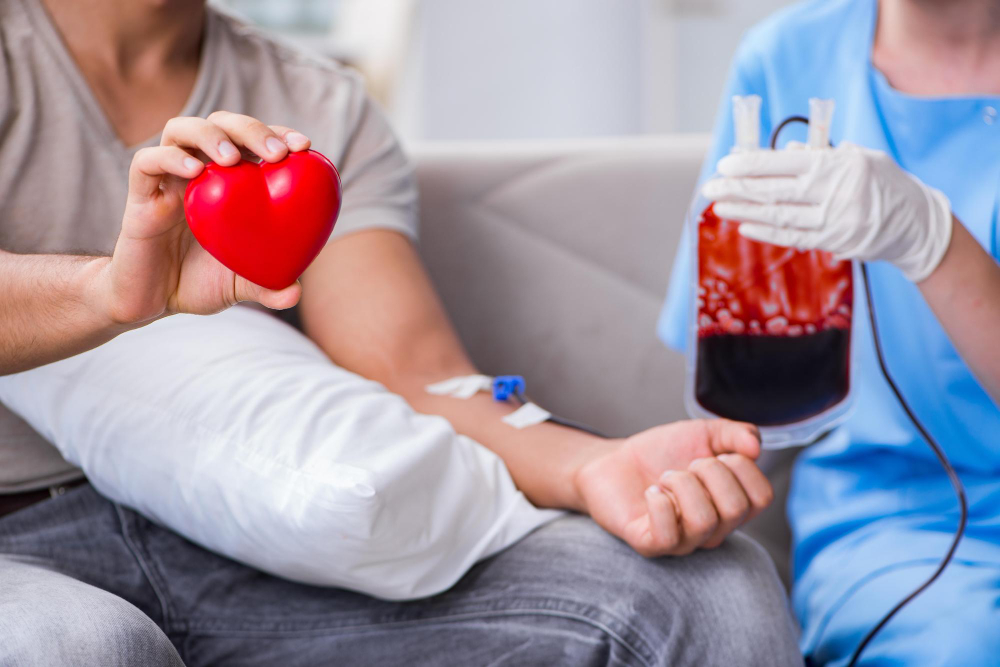
Many people wonder, is it safe to exercise after donating blood? This is an important question, especially for those who want to stay healthy and active. After giving blood, your body needs time to recover. Understanding how to care for yourself after donation helps you avoid problems and return to your routine safely. In this blog, we will explain what happens to your body, when you can exercise, and what steps help you recover best.
What Happens to Your Body After Donating Blood?
After you donate blood, your body goes through several changes. First, your blood volume drops. This means you have less fluid and fewer red blood cells for a short time. Because of this, your heart and muscles may not get as much oxygen as usual. Your body starts to replace the lost fluids within a few hours. However, it can take a few weeks for your red blood cell count to return to normal. During this time, you might feel tired or lightheaded. According to the American Red Cross and the World Health Organization (WHO), most people recover well if they follow simple care steps.
Is It Safe to Exercise After Donating Blood?
Experts agree that you should avoid heavy exercise right after giving blood. The Centers for Disease Control and Prevention (CDC) and other health groups recommend resting for at least 24 hours. If you exercise too soon, you may feel dizzy, weak, or even faint. This is because your body is still adjusting to the lower blood volume. Some people may also notice muscle cramps or faster heartbeat. For these reasons, it is best to wait before returning to your regular workouts.
What Your Body Actually Needs After Blood Donation
After donating blood, your body needs time and care to recover. First, you should drink plenty of water. This helps replace lost fluids and keeps your blood pressure stable. Next, eat foods rich in iron and vitamin C. These nutrients help your body make new red blood cells. Also, get enough rest. Your body heals faster when you are well-rested. For best results, follow these simple steps:
When Can You Safely Return to Exercise?
Usually, you can return to light exercise after 24 hours if you feel well. However, everyone recovers at a different pace. Some people may need more time. Before you work out, check for any symptoms like dizziness or weakness. If you feel fine, start with gentle activities such as walking or stretching. Avoid high-intensity workouts, running, or heavy lifting for at least 48 hours. Listen to your body and stop if you feel unwell.
Prevention and Self-Care Tips
Taking care of yourself after blood donation helps you heal faster and avoid problems. Here are some tips to keep in mind:
In summary, giving blood is a generous act, but your body needs time to recover. By following these tips, you can return to exercise safely and feel your best. For more details, you can visit trusted sources like the CDC, WHO, or your local blood donation center.
Consult at St.Theresa Hospital Blood Bank for personalized guidance after donating blood.